Get Heat Pump Installation
Heat pump installation services help property owners replace or upgrade heating and cooling systems by connecting them with local contractors experienced in installing efficient heat pumps.
Heat pump installation services are a practical solution for property owners seeking efficient heating and cooling options. Whether upgrading an existing system or installing a new one, planning ahead and exploring local contractor options can help ensure a smooth process. Comparing different service providers in the area can assist in finding experienced professionals who understand the specific needs of local properties and climates.
Property owners interested in heat pump systems often consider factors like energy efficiency, long-term savings, and environmental comfort. By researching local contractors who specialize in heat pump installation, it becomes easier to identify qualified service providers capable of handling the job effectively. Continuing to explore available options can help in making informed decisions for a comfortable and reliable heating and cooling setup.
- homeowners needing an energy-efficient heating and cooling solution for their property. - property owners looking to upgrade or replace an outdated heating system. - new constructions requiring the installation of a modern heat pump system. - residents seeking to improve indoor comfort with a reliable heat pump setup. - commercial or multi-unit buildings aiming to optimize heating and cooling performance.
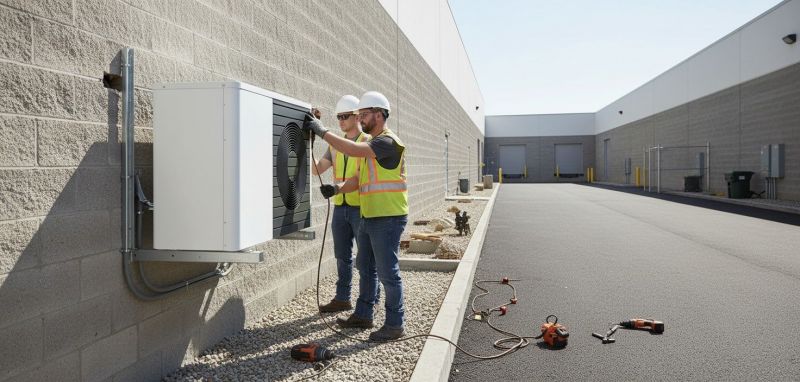
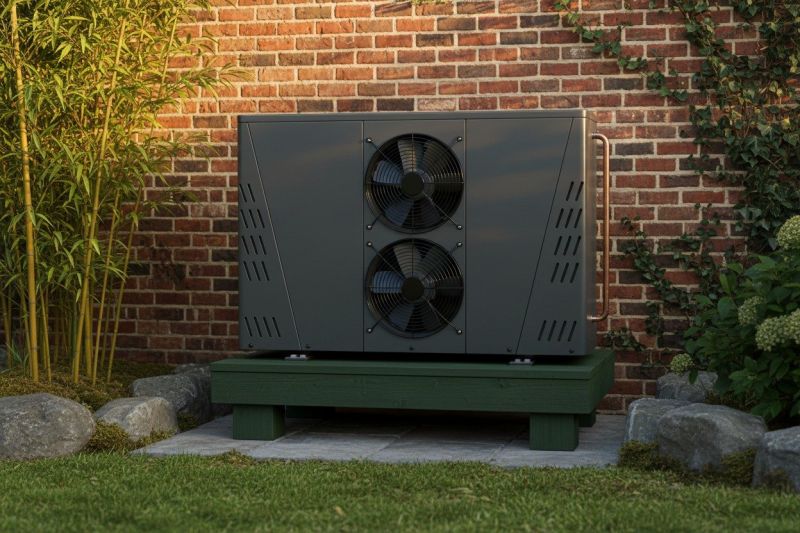
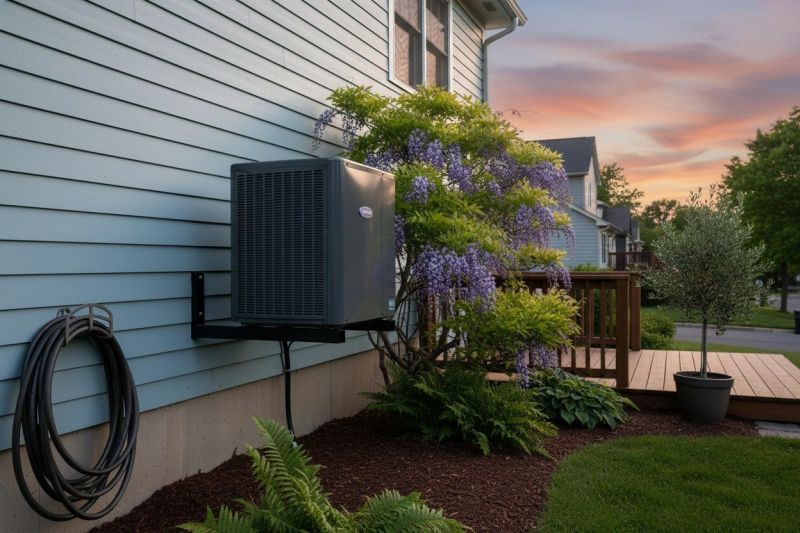
Heat pump installation services involve setting up an energy-efficient system that can both heat and cool a property. These systems work by transferring heat between the interior of a building and the outside air, providing a versatile climate control solution. Professional contractors handle the entire installation process, ensuring the system is properly sized, connected, and configured for optimal performance. This service is essential for homeowners looking to replace outdated heating and cooling units or seeking a more efficient way to manage indoor temperatures throughout the year.
Heat pumps are particularly helpful in solving common issues related to traditional heating and cooling systems. They can reduce energy consumption by providing a single, efficient system for year-round climate control. Additionally, heat pumps are effective in areas where extreme cold temperatures are not frequent, as they can maintain comfort without the need for separate heating units. They also help eliminate uneven heating or cooling, drafts, and high utility bills caused by inefficient systems, making them a practical upgrade for many homes.
This service is often used in a variety of property types, including single-family homes, townhouses, and small commercial buildings. Homes with existing ductwork or open floor plans tend to benefit most from heat pump systems, as they can evenly distribute conditioned air. Properties that prioritize energy efficiency and want to reduce their reliance on separate heating and cooling appliances may find heat pump installation especially advantageous. Whether a residence is new or undergoing renovations, professional installation can help ensure the system functions effectively and efficiently.
Homeowners who are considering a heat pump typically look for a solution that offers reliable climate control with lower operating costs. If a property experiences inconsistent temperatures, high energy bills, or if the current HVAC system is aging or inefficient, heat pump installation may be a suitable option. Local contractors can assess the specific needs of a property, recommend appropriate systems, and handle the installation process to provide a seamless transition to this modern heating and cooling solution. Contacting experienced service providers can help determine if a heat pump is the right choice for a particular home.
The overview below groups typical Heat Pump Installation projects into broad ranges so you can see how smaller, mid-sized, and larger jobs often compare in your area.
In many markets, a large share of routine jobs stays in the lower and middle ranges, while only a smaller percentage of projects moves into the highest bands when the work is more complex or site conditions are harder than average.
Smaller Repairs - typical costs for routine heat pump repairs range from $250 to $600, covering common issues like refrigerant recharge or minor part replacements. Many projects fall within this range, especially for standard service needs.
Partial System Upgrades - upgrading certain components of a heat pump system can cost between $1,000 and $3,000, depending on the scope of work and equipment quality. Larger or more complex upgrades are less common but can push costs higher.
Full Replacement - replacing an entire heat pump system generally costs between $3,500 and $7,000, with some high-end models or complex installations reaching $8,000 or more. Most projects in this category tend to fall within the middle of this range.
Large or Complex Projects - extensive system overhauls or installations in challenging settings can exceed $10,000, though these are less frequent. Local contractors can provide estimates based on specific project details and site conditions.
Actual totals will depend on details like access to the work area, the scope of the project, and the materials selected, so use these as general starting points rather than exact figures.
HVAC System Replacement - Installing or replacing central heating and cooling systems shares skills with heat pump installation, including understanding of ductwork, electrical connections, and system integration.
Ductwork Installation and Repair - Proper ductwork setup is essential for efficient heat pump performance, requiring similar planning, measurement, and installation skills.
Air Source and Ground Source Heat System Setup - Installing different types of heat exchange systems involves comparable knowledge of climate control technology and site assessment.
Electrical Wiring for HVAC Equipment - Heat pump installation demands electrical work that aligns with wiring and circuit setup for other climate control devices.
Home Insulation and Sealing - Ensuring proper insulation complements heat pump efficiency and involves planning and execution skills related to building envelope improvements.
Thermostat and Control System Installation - Setting up smart thermostats and control systems requires similar expertise in electrical connections and system programming.
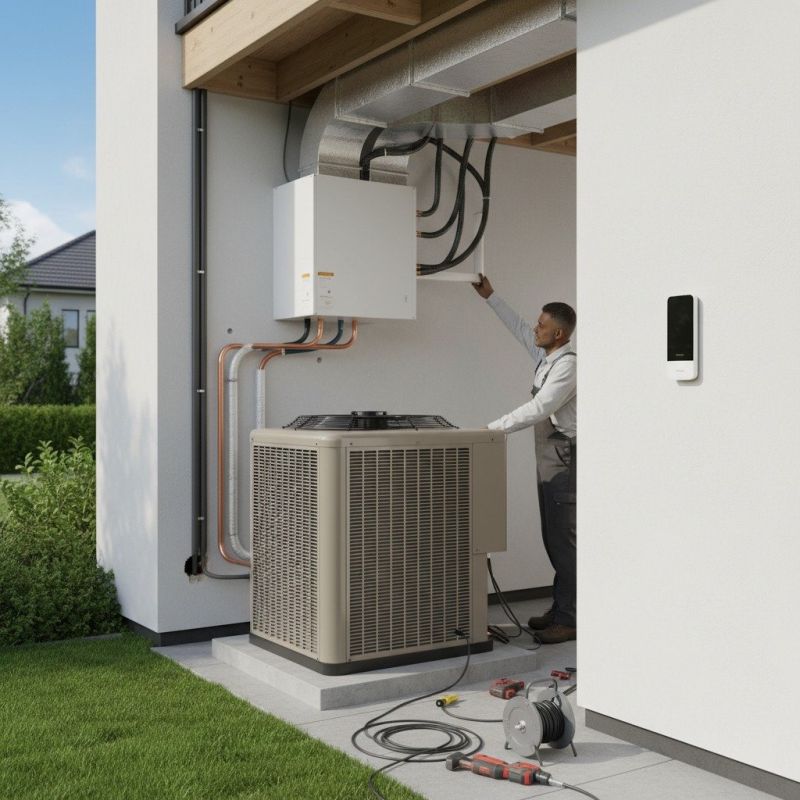
When comparing service providers for heat pump installation, it’s important to consider their experience with similar projects. Homeowners should look for local contractors who have a proven track record of successfully completing heat pump installations comparable to their specific needs. A contractor’s familiarity with the particular system type, home size, and existing infrastructure can influence the quality and efficiency of the installation. Asking about the number of similar projects completed can help gauge their expertise and confidence in handling the job effectively.
Clear and detailed written expectations are essential when evaluating potential contractors. Homeowners should seek providers who can articulate their process, outline what the installation will involve, and specify the materials and equipment that will be used. Having a comprehensive understanding of what to expect helps prevent misunderstandings and ensures that both parties are aligned on the scope of work. Good communication about project details also indicates a professional approach and a commitment to transparency.
Reputable references and strong communication skills are key indicators of a reliable service provider. Homeowners should ask for references from past clients who had similar work done and follow up to learn about their experiences. Additionally, a contractor’s responsiveness and clarity in communication can reflect their professionalism and dedication to customer service. Choosing a local contractor who demonstrates these qualities can lead to a smoother installation process and greater confidence in the quality of the work, knowing that the provider values clear, honest interactions and has a history of satisfied clients.
Property owners use Heat Pump Installation services for practical projects around their homes and businesses. This guide focuses on everyday jobs and straightforward project options.
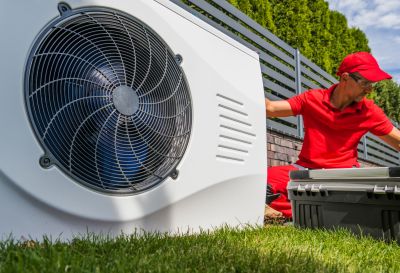
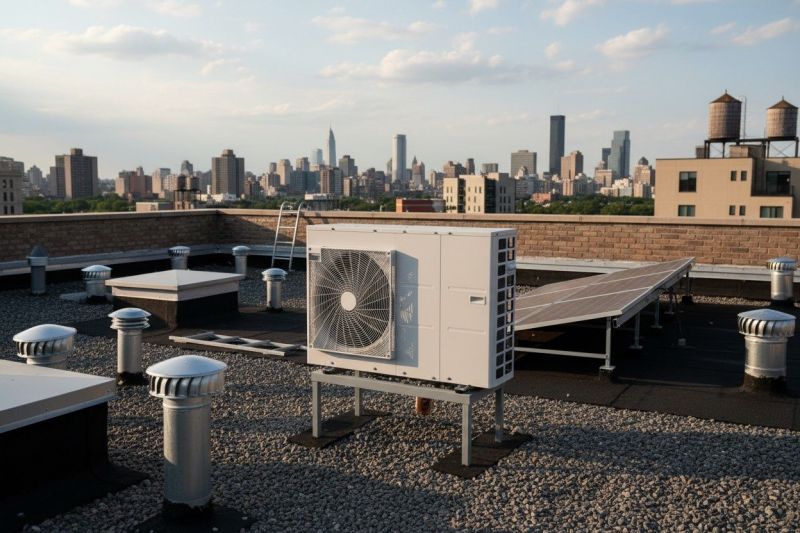
Heat pump installation is a common project for property owners looking to upgrade their heating and cooling systems. Homeowners might seek local contractors when replacing outdated units, improving energy efficiency, or installing a system that offers year-round climate control. These projects often arise during seasonal changes or when existing equipment no longer performs reliably, prompting property owners to explore professional services that can handle the installation smoothly and efficiently.
Many property owners turn to local service providers for heat pump installation to ensure the job is completed correctly and with minimal disruption. Whether upgrading a single-family home, a multi-unit property, or a commercial space, local contractors are experienced in managing various project sizes and types. Property owners often look for trusted professionals to handle the work, ensuring that their heating and cooling needs are met with quality craftsmanship and local expertise.
What is a heat pump and how does it work? A heat pump is a device that transfers heat between the indoor and outdoor environments to provide heating or cooling. Local contractors can install systems that suit specific home needs and preferences.
Are heat pumps suitable for all climate types? Heat pumps can be effective in various climates, but their efficiency may vary. Local service providers can assess whether a heat pump is appropriate for a particular area.
What are the benefits of installing a heat pump? Installing a heat pump can offer energy-efficient heating and cooling, potentially reducing energy bills. Local contractors can help determine the best system for individual homes.
How do I choose the right heat pump for my home? Selecting the right heat pump depends on factors like home size, insulation, and climate. Local service providers can assist with recommendations based on specific needs.
What should I consider before installing a heat pump? Important considerations include compatibility with existing systems, space requirements, and long-term efficiency. Local contractors can evaluate these factors during consultation.
Energy-efficient heating and cooling - Property owners can improve comfort and reduce energy bills by installing a heat pump to provide reliable heating and cooling throughout the year.
Upgrading an existing system - Homeowners considering replacing an outdated heating or cooling unit can explore heat pump options to modernize their climate control setup.
Adding climate control to a new build - Builders and developers can incorporate heat pump systems into new properties to ensure efficient temperature management from the start.
Retrofitting for better performance - Property owners can enhance their current heating and cooling solutions by integrating heat pumps, especially in areas seeking improved energy use.
If you are thinking about Heat Pump Installation for a property, this guide is meant to help you understand the work, the typical project types, and how different options might fit your plans.
When you are ready, you can use the quote form on this page to share a few details about your project. From there, local pros can review the basics and respond with options that match what you have in mind.